
6th International Summer School on Security and/or Human Rights

The 6th International Summer School, held in Mardin, brought together young participants from 16 countries to discuss the future of security and human rights. With a program full of workshops, lectures, and cultural activities, the event offered participants both learning opportunities and the chance to build international networks.
The 6th International Summer School on Security and/or Human Rights, titled Navigating Freedom in a World of Polycrisis, convened in Mardin, Türkiye, from 08 to 12 June 2026. Organized by the Human Rights Academy and the Friedrich Naumann Foundation for Freedom Türkiye Office, the program established an international platform for dialogue and academic analysis.

The program hosted 22 participants from diverse academic and professional backgrounds, encompassing regions such as Europe, the Middle East, and the Caucasus. The curriculum aimed to examine the intersection of security policies and human rights principles amidst concurrent global crises. This structure facilitated intercultural exchange and mutual learning regarding cross border challenges.

The event commenced with welcoming remarks from Elif Güney Menderes, representing the organizing institutions. The subsequent academic sessions featured subject matter experts including Prof. Dr. Çiğdem Üstün, Hediye Levent, Ilija Vojnovic, Prof. Dr. Ahmet Salih Bıçakcı, Dr. Kerim Sert, Can Selçuki, Kaan Şahin, André Kahlmeyer, and Prof. Dr. Özlem Tür. The lectures provided comprehensive data on topics such as the return of hard security, Euro Atlantic defense architectures, multipolar dynamics in the Middle East and the Indo Pacific, economic weaponization, and emergency powers.
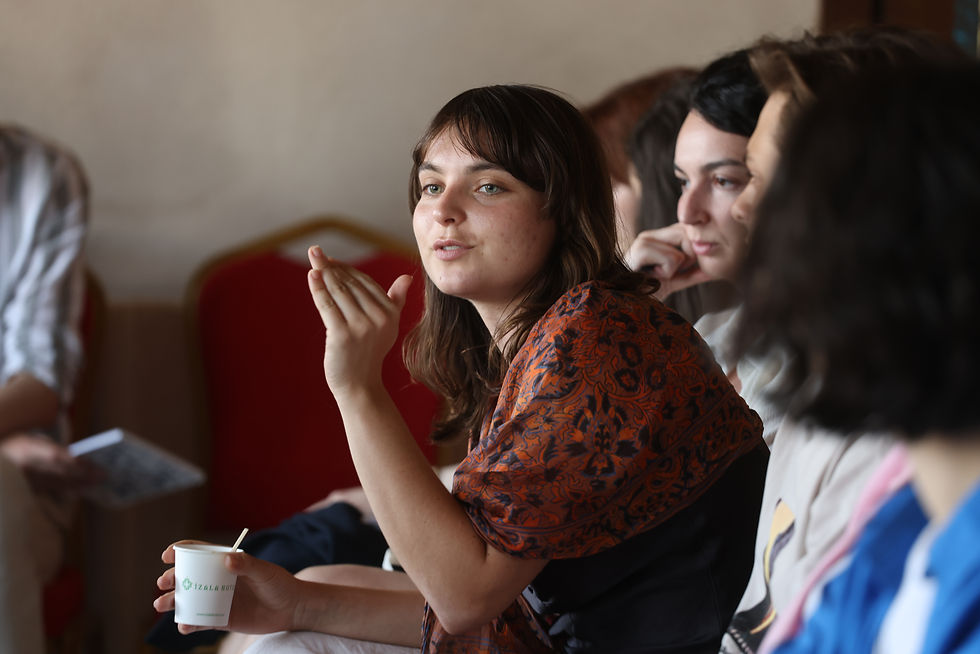
A core component of the methodology involved interactive workshops focused on practical applications. Participants were divided into three regional working groups, specifically Wider Europe, the Indo Pacific, and the Middle East. Across three sessions, these groups mapped emerging security risks, constructed alternative narratives that respect fundamental rights, and proposed policy recommendations for hypothetical crisis scenarios. The scenarios addressed climate induced displacement, artificial intelligence in urban surveillance, and resource scarcity conflicts. This collaborative format required participants to operationalize theoretical knowledge into concrete governance strategies.

In addition to the academic schedule, the itinerary included a field excursion titled Freedom on the Road, which involved structured visits to the Mor Gabriel Monastery and Midyat City. These activities provided a framework for participants to contextualize their regional experiences and establish professional networks.

The program concluded with final group presentations and a certificate ceremony. To consolidate the research findings, the regional working groups will submit academic articles for publication by the Human Rights Academy. Furthermore, an essay competition was initiated, prompting participants to articulate the duties and obligations of the current generation in defending peace, security, and human rights. The selected texts will be published to contribute to the academic literature in this discipline.