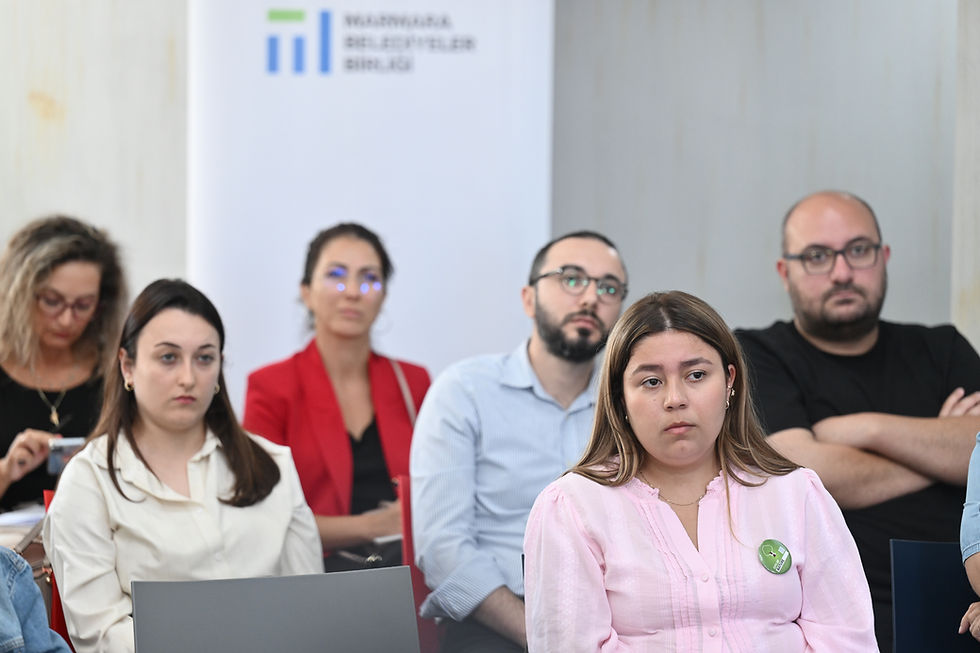
Youth and Local Governors Met at the "Let's Talk: Towards COP31" Event

Our open mic event provided a platform for youth to share their environmental challenges and solution proposals directly with local climate policymakers.
Organized in partnership with the Marmara Municipalities Union (MBB), the Friedrich Naumann Foundation for Freedom (FNF) Turkey Office, and the Human Rights Academy (İHA), the "Let's Talk: Towards COP31" program brought young people and local government employees together to establish a dialogue on climate change and the urban agenda. The program created a space for young people to share the climate and environmental challenges they face in cities, their expectations regarding local climate policies, and their proposed solutions, as well as to build mutual dialogue concerning the work of local governments.
Focused on the COP31 process, the program aimed to support youth participation in the development and implementation of climate policies and to establish a shared platform for discussing the creation of climate-resilient cities. In the gathering, where youth urban experiences were addressed in mutual interaction with the policies and practices of local governments, the importance of discussing the climate agenda at the local level and involving young people in the process as active stakeholders was highlighted.

Towards COP31: What Do Young People Think, What Are Municipalities Doing?
In the opening speeches, Samet Keskin, Director of the MBB Urban Policies Center, pointed out that young people are among the groups directly affected by climate change, emphasizing the significance of climate action for youth and the necessity of addressing their views on the climate agenda. Keskin stated that the "Let's Talk" session was organized under the title "Towards COP31" to address this need by creating an environment where young people could directly share their perspectives on climate change and urban developments.
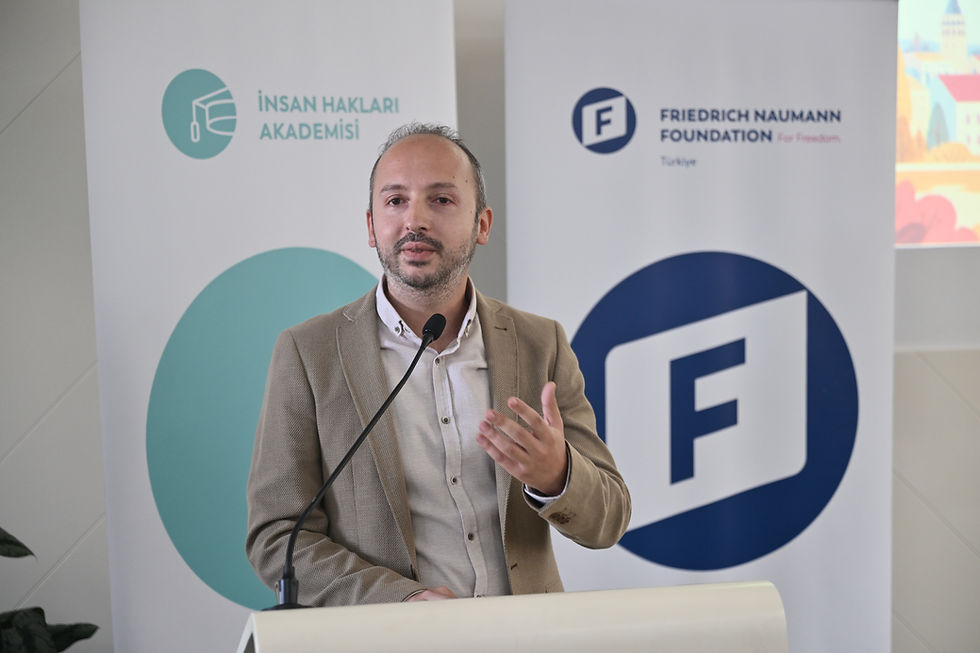
Elif Menderes, Founder of İHA, highlighted the importance of dialogue environments that bring together different segments of society, expressing the need for direct communication among citizens, municipal employees, youth, and children. Menderes noted that it is crucial for diverse groups to get to know each other through face-to-face communication, rather than solely via social media, in order to foster mutual understanding.
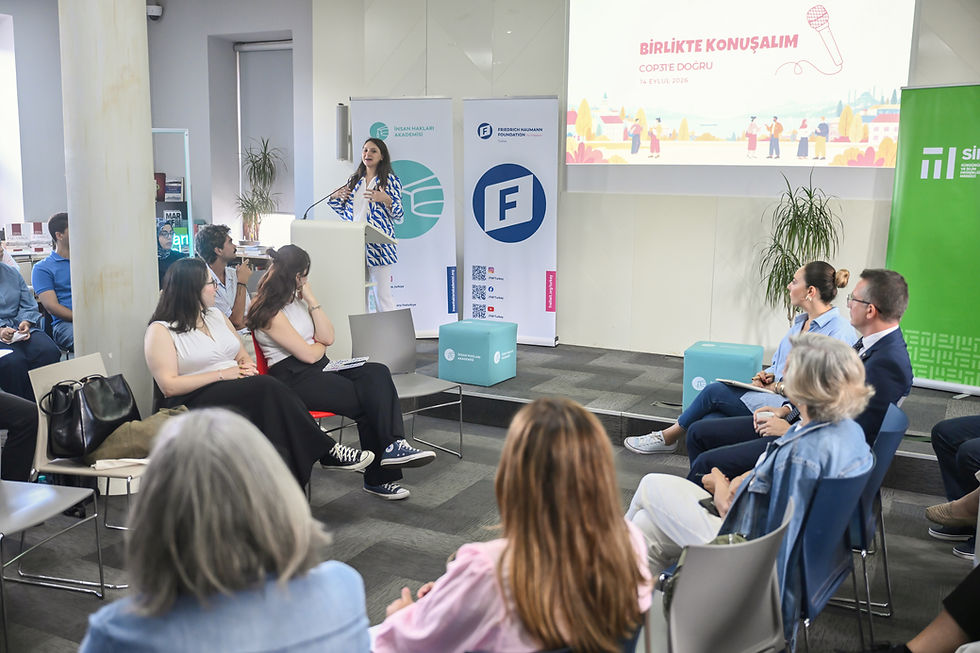
In the first part of the program, a session titled "Towards COP31: What Do Young People Think, What Are Municipalities Doing?" took place. With Attorney Özgür Özdemir and Merve Ağca, Director of the MBB Sustainability and Climate Change Center as speakers, the session discussed the importance of the COP31 process for youth and local governments, the role of cities in combating climate change, and young people's expectations from local climate policies.
Merve Ağca emphasized that climate change cannot be treated merely as an environmental issue; it is directly related to many areas such as transportation, waste management, energy, public spaces, poverty, and urban resilience. Pointing out that climate change mitigation and adaptation efforts must yield concrete results at the local level, Ağca stressed the importance of making the climate agenda visible in cities as we head towards COP31, accurately identifying local needs, and developing viable solutions.
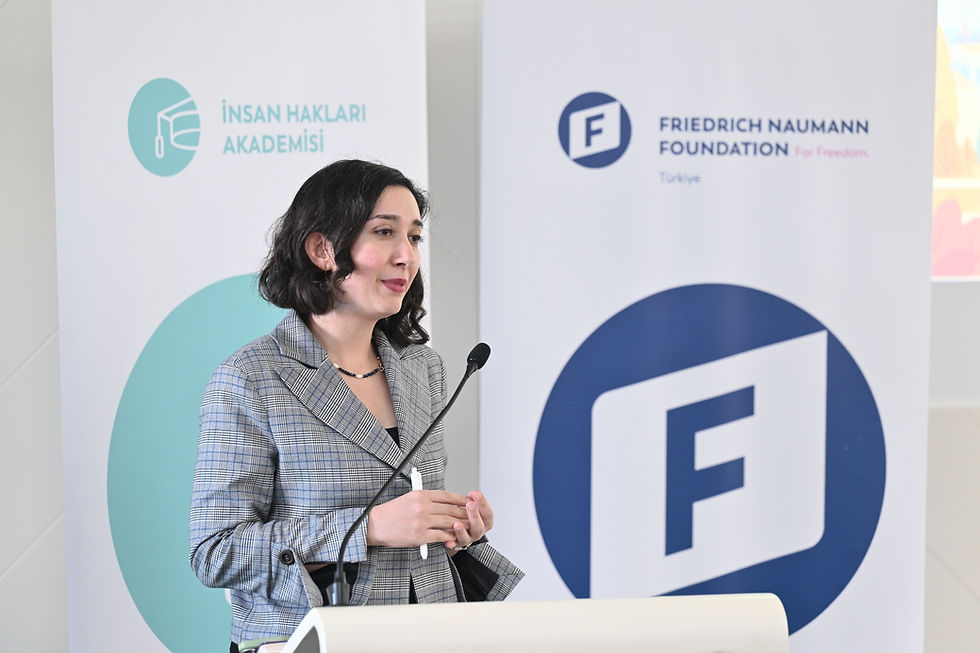
In his speech, Özgür Özdemir underscored that youth participation in climate policies should not remain at a representative level. Stating that it is important not only to seek young people's opinions but also to reflect these views in plans, strategies, and decision-making processes, Özdemir evaluated youth participation channels in the COP31 process through youth forums, climate envoys, and volunteer programs. He drew attention to the fact that young people must be considered active stakeholders who contribute to decision-making and implementation processes, rather than just a group whose awareness of the climate agenda needs to be raised.

Open Mic: Youth and Local Governments Talked Together
The main segment of the program consisted of the "Let's Talk" session, moderated by Prof. Dr. Çiğdem Üstün. Organized in an open mic format, the session provided an opportunity for youth and local government employees to express the climate and environmental problems they face in their cities through their own experiences, share their solution proposals, and directly communicate their views and expectations regarding local governments' climate initiatives.

During the session, views were exchanged on various topics ranging from climate change and the future of youth, young people's right to speak in climate decisions, resilient cities, sustainable and accessible transportation, green spaces and nature-compatible cities, waste and recycling, and climate justice, to local climate action leading up to COP31.
Young participants emphasized the need to strengthen environmental awareness and sustainable practices in cities while sharing their evaluations on addressing everyday environmental issues such as separating waste at the source, overcoming knowledge and practice gaps in recycling, cigarette butt litter, and marine pollution. It was stressed that young people's awareness of climate change must be supported by opportunities for education, participation, and implementation.

Local government representatives shared information on their work in waste management and environmental inspections, highlighting the importance of coordination among relevant municipal units. Topics such as preventing the dumping of waste into the environment, operating inspection and enforcement mechanisms, and developing infrastructure for separate waste collection were discussed. Additionally, the impact of changing legislation and the need for technical capacity and expertise on local practices were brought to the agenda.

Participants also noted that local participation mechanisms need to be diversified and strengthened. It was expressed that involving various actors such as city councils, neighborhood committees, non-governmental organizations, associations, mukhtars' offices, and municipal units in decision-making processes contributes to a more accurate identification of local needs. Increasing the mechanisms through which young people can develop projects together with universities, municipalities, and other local actors was another prominent topic.
The program contributed to strengthening participatory approaches in the development and implementation of local climate policies by creating a space for young people to directly share their climate change-related needs, expectations, and proposals with local governments.
You can reach out to official results of the program from our raport here.